Transform Your Health Journey with Coaching Sessions
- Dr. Karen Bacher

- Dec 8, 2025
- 5 min read
Updated: Dec 14, 2025
Embarking on a health journey can often feel overwhelming. With countless diets, exercise regimens, and wellness trends, it’s easy to get lost in the noise. This is where coaching sessions come into play. They provide personalized guidance, accountability, and support tailored to your unique needs. In this blog post, we will explore how coaching can transform your health journey, offering practical insights and examples to help you make informed decisions.

Understanding Health Coaching
Health coaching is a collaborative process that empowers individuals to achieve their health and wellness goals. Unlike traditional personal training, health coaching focuses on the whole person, addressing not just physical fitness but also emotional and mental well-being.
What Does a Health Coach Do?
A health coach works with you to:
Set realistic goals: Together, you will identify specific, measurable, achievable, relevant, and time-bound (SMART) goals.
Create a personalized plan: Based on your goals, preferences, and lifestyle, your coach will help design a plan that works for you.
Provide accountability: Regular check-ins and progress assessments keep you motivated and on track.
Offer support and encouragement: Coaches provide emotional support, helping you navigate challenges and celebrate successes.
The Benefits of Health Coaching
Personalized Approach: Health coaching is tailored to your individual needs, ensuring that the strategies you implement are effective for you.
Increased Motivation: Having someone to support and encourage you can significantly boost your motivation levels.
Improved Knowledge: Coaches educate you about nutrition, exercise, and wellness, empowering you to make informed choices.
Sustainable Change: Rather than quick fixes, health coaching focuses on long-term lifestyle changes that promote overall well-being.
The Coaching Process
Understanding the coaching process can help demystify what to expect. Here’s a breakdown of typical coaching sessions:
Initial Consultation
During the first session, your coach will gather information about your health history, lifestyle, and goals. This is an opportunity for you to discuss your challenges and aspirations openly.
Goal Setting
After understanding your background, your coach will help you set specific goals. For example, if you want to lose weight, your goals might include losing a certain number of pounds within a specific timeframe or adopting healthier eating habits.
Developing a Plan
Once goals are established, your coach will work with you to create a personalized action plan. This plan may include:
Nutrition guidelines: Tailored meal plans or suggestions for healthier food choices.
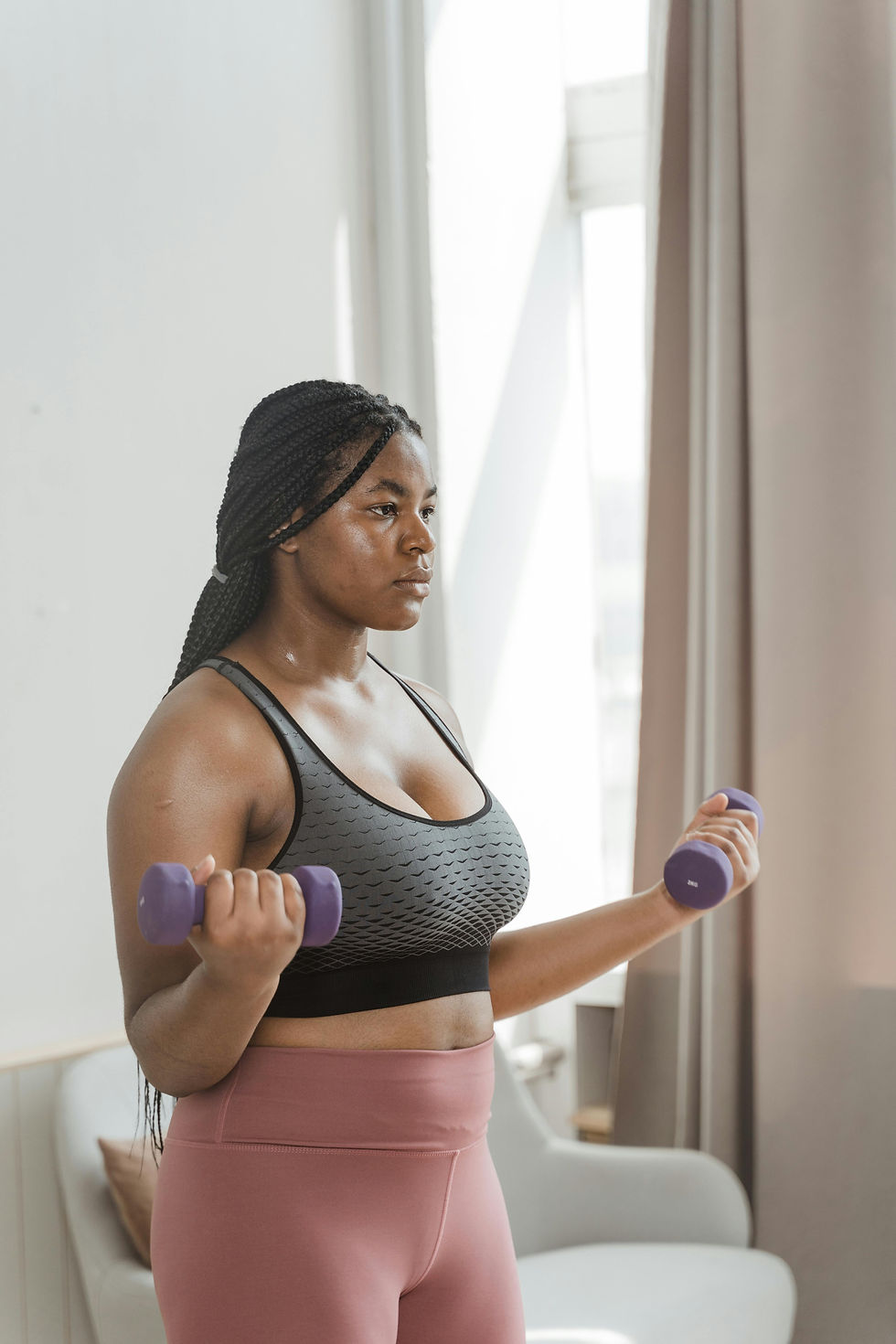
Exercise routines: Customized workouts that fit your fitness level and preferences.
Mindfulness practices: Techniques to manage stress and improve mental well-being.
Regular Check-Ins
Coaching sessions typically occur weekly or bi-weekly. During these check-ins, you will review your progress, discuss any challenges, and adjust your plan as needed. This ongoing support is crucial for maintaining motivation and accountability.
Choosing the Right Coach
Selecting the right health coach is crucial for your success. Here are some tips to help you find the perfect match:
Credentials and Experience
Look for a coach with relevant certifications and experience in health and wellness. This ensures they have the knowledge and skills to guide you effectively.
Personal Connection
A strong rapport with your coach is essential. You should feel comfortable discussing your goals and challenges openly. Schedule an initial consultation to gauge your compatibility.
Specialization
Some coaches specialize in specific areas, such as weight loss, nutrition, or stress management. Choose a coach whose expertise aligns with your goals.
Overcoming Common Obstacles
Even with a coach, you may encounter obstacles on your health journey. Here are some common challenges and strategies to overcome them:
Lack of Motivation
It’s normal to feel unmotivated at times. To combat this, remind yourself of your goals and the reasons behind them. Your coach can also help you find new sources of inspiration.
Time Constraints
Busy schedules can make it difficult to prioritize health. Work with your coach to create a flexible plan that fits your lifestyle. Small, consistent changes can lead to significant results over time.
Plateaus
Hitting a plateau can be frustrating. If you find yourself stuck, discuss this with your coach. They can help you adjust your plan and introduce new strategies to reignite progress.
The Role of Nutrition in Health Coaching
Nutrition plays a vital role in any health journey. A health coach can help you navigate the complexities of dietary choices, ensuring you make informed decisions that align with your goals.
A health coach is NOT a dietician and will not prescribe specific diet plans. They will guide you using recognized, credible and accepted general nutrition principles applicable to the general population. Please consult with a registered dietician or health care professional if you have specific dietary needs or health conditions.
Understanding Nutrition Basics
A solid understanding of nutrition is essential for making healthy choices. Here are some key concepts:
Macronutrients: These include carbohydrates, proteins, and fats. Balancing these nutrients is crucial for overall health.
Micronutrients: Vitamins and minerals support various bodily functions. A varied diet helps ensure you get the nutrients you need.
Hydration: Staying hydrated is vital for optimal health. Your coach can guide you on how much water you should be drinking daily.
Meal Planning and Preparation
Meal planning can simplify healthy eating. Your coach can assist you in creating a meal plan that fits your lifestyle and preferences. Here are some tips for effective meal planning:
Batch Cooking: Prepare meals in advance to save time during busy weeks.
Healthy Snacks: Keep nutritious snacks on hand to avoid unhealthy choices when hunger strikes.
Mindful Eating: Practice being present during meals to enhance your eating experience and prevent overeating.
Incorporating Exercise into Your Routine
Exercise is another critical component of a successful health journey. A health coach can help you find enjoyable activities that fit your lifestyle.
Finding the Right Exercise
Not all exercise needs to be intense or time-consuming. Here are some options to consider:
Walking: A simple yet effective way to stay active. Aim for at least 30 minutes a day.
Group Classes: Join a local fitness class to stay motivated and meet new people.
Home Workouts: Utilize online resources for guided workouts that you can do from home.
Setting Realistic Fitness Goals
Setting achievable fitness goals is essential for long-term success. Consider starting with small, incremental goals, such as:
Increasing daily steps: Aim for an additional 1,000 steps each week.
Trying a new activity: Experiment with a new sport or fitness class each month.
Improving endurance: Gradually increase the duration of your workouts.
If your health coach is also a certified personal trainer, he/she can assist you in the development of a fitness plan customized to your specific goals, preferences, and needs. Workouts for the home, local park or gym are available based on your desired exercise environment.
The Importance of Mindfulness and Mental Health
Mental health is just as important as physical health. A health coach can help you incorporate mindfulness practices into your routine.
Mindfulness Techniques
Here are some mindfulness techniques to consider:
Meditation: Spend a few minutes each day focusing on your breath and clearing your mind.
Journaling: Write down your thoughts and feelings to gain clarity and insight.
Gratitude Practice: Reflect on what you are grateful for each day to foster a positive mindset.
Seeking Professional Help
If you struggle with mental health issues, don’t hesitate to seek professional help. A health coach can support you in finding the right resources and professionals. Health coaches provide support and guidance regarding management of stress and everyday challenges. However, they do NOT provide clinical services such as therapy and they do not diagnose nor treat depression, anxiety disorders or any other mental health challenge.
Conclusion
Transforming your health journey with coaching sessions can lead to lasting change and improved well-being. By providing personalized guidance, accountability, and support, health coaches empower you to achieve your goals. Remember, the journey to better health is not a sprint; it’s a marathon. Embrace the process, stay committed, and celebrate your successes along the way.
Take the first step today by exploring health coaching options that resonate with you. Your journey to a healthier, happier you starts now!


Comments